As a passionate explorer of gaming history, trends, and culture, I’ve spent the past month running my blog, diving deep into the technology that shapes our digital worlds.
One area that has captured my attention is the importance of cybersecurity in online gaming. In today’s interconnected environment, where millions of players share virtual spaces, protecting our digital playground is more critical than ever.
In this comprehensive article, we will examine the importance of cybersecurity in gaming, delve into case studies of notable hacks, discuss the measures taken to secure virtual worlds, and explore the challenges and future trends in this ever-evolving field.
Along the way, I’ll clarify niche definitions with additional context to ensure we all have a clear understanding of the terms involved.

Introduction: The Digital Battleground
The gaming world is no longer confined to isolated consoles or offline adventures. Today, millions of players log in to online platforms daily, forming vibrant communities that span the globe. With this increased connectivity comes an increased risk: cyberattacks, hacking incidents, and data breaches that can disrupt not only gameplay but also the financial and personal security of gamers.
Cybersecurity in gaming is the practice of protecting online gaming environments, digital assets, and personal data from unauthorized access, theft, and disruption. It involves a combination of technology, best practices, and continuous vigilance to ensure that our digital playground remains safe and secure.
Why Cybersecurity in Gaming Matters
- Protection of Personal Data:
Gamers share a wealth of personal information online. Cybersecurity measures ensure that sensitive data—such as account credentials and financial information—is safeguarded. - Preserving the Gaming Experience:
Hacks and cyberattacks can disrupt gameplay, ruin experiences, and even lead to the loss of valuable in-game assets. Security is essential for maintaining a fair and enjoyable gaming environment. - Economic Impact:
Online gaming is a multi-billion-dollar industry. Cybersecurity breaches not only affect individual players but also have significant financial implications for game developers, publishers, and the broader industry. - Community Trust:
A secure gaming environment builds trust among players. When gamers feel safe, they are more likely to invest time, money, and passion into the community, fostering a healthier digital ecosystem.
Understanding Cybersecurity: Key Concepts and Niche Definitions
Before we dive into the impact of cybersecurity on gaming, it’s essential to understand some key terms and concepts that form the foundation of this field.
What Is Cybersecurity?
Cybersecurity refers to the protection of computer systems, networks, and data from digital attacks. In the context of gaming, cybersecurity focuses on safeguarding online platforms, virtual economies, and personal user data from threats like hacking, phishing, and malware.
- Clarification:
Cybersecurity is not a one-time fix but a continuous process involving risk assessment, prevention measures, and response strategies to counter evolving threats.
Distributed Denial of Service (DDoS)
A Distributed Denial of Service (DDoS) attack involves overwhelming a server or network with a flood of internet traffic, rendering it unusable for legitimate users.
- Clarification:
DDoS attacks are common in gaming, where competitive matches or tournaments can be disrupted by coordinated attacks that prevent players from connecting to game servers.
Phishing and Social Engineering
Phishing is a technique used by cybercriminals to trick individuals into revealing sensitive information, such as login credentials or financial data, by masquerading as a trustworthy entity.
- Clarification:
In gaming, phishing often occurs through fake websites, in-game messages, or email scams that target players, aiming to steal personal data or in-game assets.
Vulnerabilities and Exploits
Vulnerabilities are weaknesses in software that can be exploited by hackers to gain unauthorized access to a system. Exploits are the techniques or tools used to take advantage of these vulnerabilities.
- Clarification:
In the gaming industry, vulnerabilities can exist in the game code, server infrastructure, or even third-party applications. Addressing these weaknesses is crucial to preventing data breaches and ensuring fair play.
The Evolution of Cybersecurity in Gaming
Early Cybersecurity Measures
In the early days of online gaming, cybersecurity was often an afterthought. Many games and platforms lacked robust security measures, making them vulnerable to hacks and exploits.
Early Challenges:
- Weak Authentication Systems:
Simple passwords and lack of two-factor authentication (2FA) left accounts exposed. - Limited Infrastructure:
Early gaming servers were not designed to handle large-scale attacks, making them susceptible to DDoS attacks. - Basic Encryption:
Data transmission between clients and servers was often unencrypted, increasing the risk of interception.
Despite these challenges, the passion of early gaming communities drove efforts to protect personal data and ensure fair competition.
The Shift to a More Secure Digital Environment
As online gaming grew in popularity, so did the sophistication of cyberattacks. Developers and publishers began investing heavily in cybersecurity measures to protect their platforms and players.
Key Developments:
- Advanced Encryption:
Modern games now use strong encryption protocols to secure data transmission, protecting user information from interception. - Multi-Factor Authentication:
The implementation of multi-factor authentication has significantly reduced the risk of account takeovers. - DDoS Mitigation:
Specialized services and technologies have been developed to detect and mitigate DDoS attacks, ensuring stable online gameplay even during peak times. - Regular Security Audits:
Many companies conduct regular security audits and employ ethical hackers to identify and fix vulnerabilities before they can be exploited.
These advancements have not only improved security but have also contributed to a more trustworthy and reliable gaming environment.
Case Studies: Notable Hacks and Cybersecurity Breaches
The Blizzard Battle.net Breach
One of the most well-known cybersecurity incidents in gaming history involved Blizzard Entertainment’s Battle.net. Hackers managed to gain access to a significant number of user accounts, compromising personal data and in-game assets.
Key Points:
- Impact on Users:
The breach led to the theft of personal information and the unauthorized transfer of in-game currency, affecting thousands of players. - Response:
Blizzard quickly implemented enhanced security measures, including stricter password policies and the introduction of two-factor authentication. - Lessons Learned:
This incident underscored the importance of robust cybersecurity measures, particularly for large online gaming platforms with millions of users.
The DDoS Attacks on Esports Tournaments
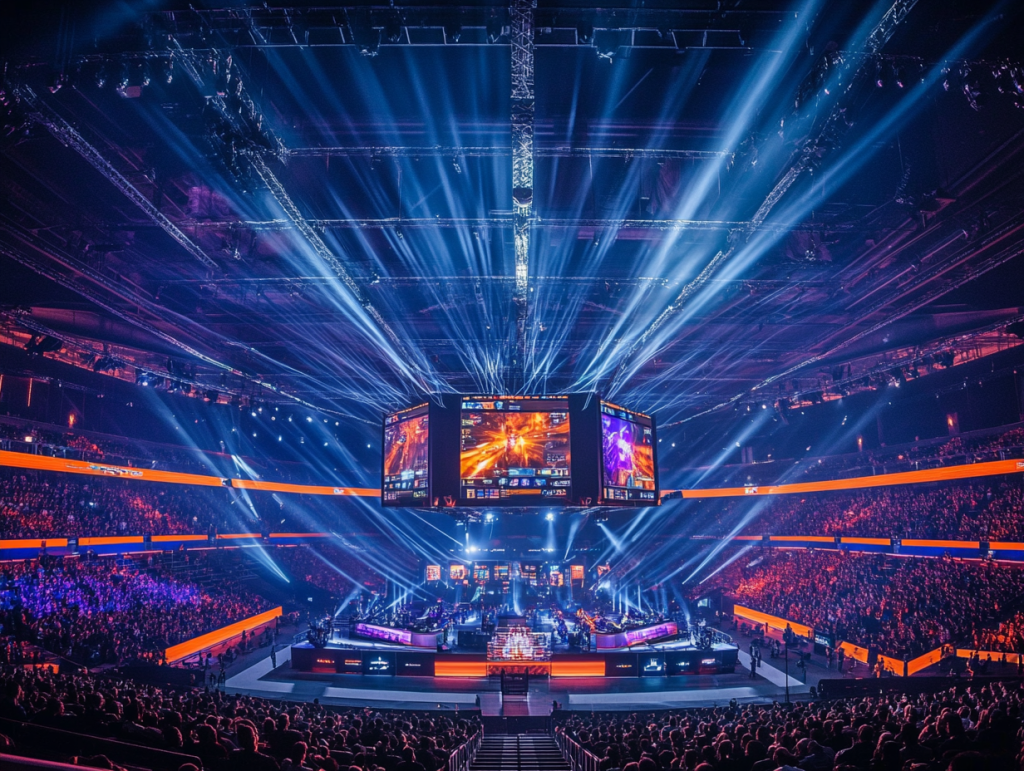
Esports tournaments have also been frequent targets of DDoS attacks. These attacks disrupt matches, affect live streams, and create significant financial and reputational damage.
Notable Incidents:
- League of Legends World Championship:
Several high-profile DDoS attacks disrupted the gameplay and broadcasting of major tournaments, leading to calls for improved server infrastructure and security protocols. - Online Esports Leagues:
Numerous smaller tournaments have been affected by DDoS attacks, highlighting the vulnerability of even well-established competitive scenes.
Response and Mitigation:
- Enhanced Server Infrastructure:
Game developers have invested in more robust server solutions to handle large volumes of traffic and mitigate the impact of DDoS attacks. - Third-Party Mitigation Services:
Collaboration with cybersecurity firms that specialize in DDoS protection has become a standard practice in the esports industry. - Community Coordination:
Esports organizers now work closely with players and fans to report suspicious activities and ensure rapid response during attacks.
Phishing Scams Targeting Gamers
Phishing remains a persistent threat in the gaming community, with hackers often using fake websites, in-game messages, and emails to trick players into revealing sensitive information.
How Phishing Works in Gaming:
- Fake Login Pages:
Hackers create counterfeit websites that mimic official game sites, prompting players to enter their credentials. - In-Game Messaging:
Phishing attempts can occur through direct messages within games, where users are lured into clicking malicious links. - Social Media Campaigns:
Cybercriminals use social media platforms to spread phishing links, often disguised as giveaways or exclusive offers.
Preventive Measures:
- Education and Awareness:
Developers and community leaders are increasingly focused on educating players about the risks of phishing and how to recognize fraudulent communications. - Enhanced Verification Processes:
Multi-factor authentication and improved verification processes help safeguard accounts, making it harder for phishing attacks to succeed. - Regular Security Updates:
Continuous monitoring and updates help patch vulnerabilities that hackers might exploit for phishing.
Strategies for Securing the Digital Playground
Developer-Led Initiatives
Game developers play a crucial role in ensuring cybersecurity. Through proactive measures and continuous improvements, they work to protect both the game and its players.
Key Strategies:
- Robust Encryption:
Implementing state-of-the-art encryption protocols to secure data transmission. - Regular Patching and Updates:
Continuously updating game software to patch vulnerabilities and address emerging threats. - Ethical Hacking:
Employing white-hat hackers to identify weaknesses before malicious actors can exploit them. - Comprehensive Authentication:
Utilizing multi-factor authentication and biometric verification to protect user accounts.
Player Awareness and Community Involvement
Players themselves are an essential line of defense in the cybersecurity ecosystem. By staying informed and adopting best practices, gamers can help protect their digital assets.
Best Practices for Players:
- Strong, Unique Passwords:
Using a different, complex password for each gaming account can significantly reduce the risk of account breaches. Long expressions easy to memorize yet hard to crack. - Two-Factor Authentication (2FA):
Enabling 2FA adds an extra layer of security, making it much harder for hackers to gain unauthorized access. - Vigilance Against Phishing:
Being wary of suspicious messages, links, and emails can prevent many phishing attempts. - Regular Account Monitoring:
Checking account activity for unusual behavior and reporting any discrepancies immediately.
Industry Collaboration and Regulatory Efforts
Cybersecurity in gaming is a collective challenge that requires cooperation between developers, players, and regulatory bodies.
Collaborative Initiatives:
- Information Sharing Networks:
Platforms where developers and security experts can share threat intelligence and best practices. - Standardized Protocols:
The development of industry-wide standards for cybersecurity can help ensure that all gaming platforms adhere to best practices. - Government and Legal Frameworks:
Regulatory bodies are beginning to recognize the importance of digital security, working on legislation to protect online gamers and enforce stringent cybersecurity measures. - Public-Private Partnerships:
Collaborations between tech companies, game developers, and government agencies can lead to more robust security infrastructures and rapid response systems.
The Broader Impact of Cybersecurity in Gaming
Economic Implications
Cybersecurity is not just about protecting data; it has significant economic implications for the gaming industry.
- Trust and Investment:
A secure gaming environment fosters trust among players, which in turn attracts more investment in the industry—from sponsorships to advertising revenues. - Market Stability:
By mitigating cyberattacks, companies can ensure that in-game economies remain stable, which is crucial for games with virtual asset trading. - Cost Savings:
Preventing security breaches saves companies significant amounts of money that would otherwise be spent on remediation, legal fees, and reputation management.
Cultural and Social Impact
Cybersecurity also plays a vital role in shaping gaming culture and community dynamics.
- Community Confidence:
When players feel secure, they are more likely to engage actively with the gaming community, participate in tournaments, and share their experiences. - Preserving Digital Heritage:
Secure systems help preserve the digital legacy of games, ensuring that future generations can enjoy the rich history of gaming without fear of data loss or corruption. - Ethical Responsibility:
In an age where digital interaction is paramount, robust cybersecurity practices reflect a commitment to protecting user rights and fostering an inclusive, safe environment for all players.
Niche Definitions: Clarifying Key Cybersecurity Terms
To fully appreciate the complexities of cybersecurity in gaming, it’s important to clarify some niche definitions that often come up in discussions.
Distributed Denial of Service (DDoS) Attacks
A Distributed Denial of Service (DDoS) attack is a type of cyberattack where multiple compromised systems flood a target with traffic, overwhelming its capacity and rendering it inaccessible to legitimate users.
- Clarification:
In gaming, DDoS attacks can disrupt online competitions, prevent players from joining matches, and even crash entire gaming platforms. Effective DDoS mitigation requires robust server infrastructure and real-time monitoring.
Phishing and Social Engineering
Phishing involves tricking individuals into providing sensitive information, such as passwords or credit card details, often through deceptive emails or websites. Social engineering extends this concept to manipulating people into breaking normal security protocols.
- Clarification:
Gamers are frequently targeted by phishing scams, especially through in-game messages and social media. Awareness and education are critical in combating these tactics.
Vulnerabilities and Exploits
A vulnerability is a weakness in a system that can be exploited by hackers, while an exploit is a method or tool used to take advantage of that weakness.
- Clarification:
In the context of gaming, vulnerabilities might be found in game code, server configurations, or even third-party applications. Addressing these vulnerabilities is essential to maintaining a secure online environment.
Case Studies: Learning from the Past
Blizzard Battle.net Breach
One of the most high-profile cybersecurity incidents in gaming history occurred on Blizzard’s Battle.net platform. Hackers exploited vulnerabilities in the system, leading to unauthorized access to user accounts and the theft of personal data and in-game assets.
Lessons Learned:
- Importance of Strong Encryption:
The breach underscored the need for robust encryption protocols to protect sensitive data. - Multi-Factor Authentication:
The incident accelerated the adoption of two-factor authentication across the industry. - Continuous Monitoring:
Regular security audits and real-time monitoring are crucial for early detection of suspicious activities.
DDoS Attacks on Major Esports Tournaments
Several major esports tournaments have been disrupted by DDoS attacks, highlighting the vulnerability of even well-established competitive platforms.
Notable Incidents:
- League of Legends World Championship:
DDoS attacks disrupted live matches, affecting both players and viewers. These incidents have prompted developers to invest in more resilient server infrastructures. - Regional Tournaments:
Numerous smaller tournaments have also faced DDoS challenges, emphasizing the need for industry-wide collaboration in cybersecurity.
Mitigation Strategies:
- Enhanced Infrastructure:
Upgrading server capacity and implementing robust DDoS mitigation services are key to reducing the impact of these attacks. - Partnerships with Cybersecurity Firms:
Collaboration with specialized cybersecurity firms helps ensure rapid response and continuous protection.
Phishing Scams in Gaming Communities
Phishing scams continue to be a significant threat in online gaming, targeting players through fake websites and in-game messages.
Case Example:
- Counter-Strike: Global Offensive (CS:GO) Skin Trading:
Phishing attempts have targeted players involved in the CS:GO skin trading market, leading to account takeovers and financial losses.
Lessons Learned:
- User Education:
Raising awareness among gamers about the signs of phishing and safe online practices is essential. - Stricter Verification Processes:
Implementing robust verification processes and multi-factor authentication helps protect user accounts from being compromised.
Measures to Secure Virtual Worlds
Developer-Led Security Initiatives
Game developers and publishers are at the forefront of implementing cybersecurity measures. These initiatives include:
- Regular Software Updates and Patches:
Frequent updates help address vulnerabilities and protect against emerging threats. - Encryption and Secure Communication Protocols:
Ensuring that data transmitted between clients and servers is encrypted is fundamental for preventing unauthorized access. - Ethical Hacking and Bug Bounties:
Many companies run bug bounty programs, inviting ethical hackers to identify vulnerabilities in exchange for rewards. This proactive approach helps patch issues before they can be exploited. - Robust Server Infrastructure:
Investing in scalable, resilient server architecture is crucial for mitigating DDoS attacks and maintaining stable online environments.
Community-Driven Efforts
Players and communities also play a vital role in maintaining cybersecurity in gaming.
- Reporting and Feedback:
Encouraging players to report suspicious activities or potential vulnerabilities can lead to faster resolutions. - Awareness Campaigns:
Community-driven initiatives help educate gamers about cybersecurity best practices, such as using strong passwords and recognizing phishing attempts. - Collaborative Platforms:
Forums and social media groups dedicated to cybersecurity in gaming facilitate the exchange of knowledge and support among players and developers.
The Future of Cybersecurity in Gaming
Emerging Technologies and Trends
The landscape of cybersecurity is continually evolving, with new technologies and trends set to shape the future of online gaming.
- AI and Machine Learning:
AI-driven security systems are becoming increasingly adept at detecting and responding to cyber threats in real time. These systems can analyze patterns in network traffic, identify anomalies, and even predict potential breaches before they occur. - Advanced DDoS Mitigation:
As DDoS attacks become more sophisticated, emerging mitigation technologies will be crucial for ensuring uninterrupted gaming experiences. This includes AI-powered traffic analysis and cloud-based solutions that can dynamically allocate resources in response to attacks. - Cross-Industry Collaboration:
The future of cybersecurity in gaming will likely involve closer collaboration between game developers, cybersecurity firms, and regulatory bodies to create comprehensive, industry-wide standards for digital protection.
Societal Implications and Ethical Considerations
As cybersecurity becomes increasingly central to online gaming, several ethical and societal issues must be addressed.
- Privacy and Data Protection:
With the growing amount of personal data involved in online gaming, ensuring robust data protection measures is critical. - Regulatory Frameworks:
Governments and international bodies are beginning to take cybersecurity in gaming seriously, and future regulations will play a key role in shaping industry practices. - Digital Rights and Ownership:
The debate over digital rights—especially in the context of blockchain and NFTs—will continue to influence how virtual assets are managed and protected. - Inclusivity in Cybersecurity:
Efforts must be made to ensure that cybersecurity solutions are accessible to all players, regardless of technical expertise or socioeconomic status.
Conclusion: Celebrating a Milestone and Looking to the Future
As we stand at the intersection of technology and culture, the importance of cybersecurity in gaming cannot be overstated. From safeguarding personal data and protecting in-game economies to maintaining community trust and enabling the future of digital innovation, cybersecurity is the backbone of our digital playground.
Over the past month of running my blog, I’ve had the pleasure of exploring some of the most exciting developments in gaming. Delving into the challenges and triumphs of cybersecurity in online gaming has been an enlightening journey—one that has reinforced my passion for blending technology and storytelling. I am inspired by the dedication of developers, the resilience of gaming communities, and the continuous evolution of technology that keeps our digital worlds safe and vibrant.
Looking ahead, the future of cybersecurity in gaming is filled with promise. As emerging technologies like AI, and advanced DDoS mitigation reshape the industry, we can expect a more secure, transparent, and resilient digital landscape. This evolution not only protects our virtual assets but also enriches our gaming experiences, ensuring that our digital playground remains a space where creativity, community, and competition can thrive.
As I celebrate my first month of blogging, I am filled with gratitude for the incredible stories, innovations, and passionate voices that make the world of gaming so dynamic. Here’s to many more months of exploring the intersections of technology and culture, and to a future where every gamer can feel safe, empowered, and inspired in their digital adventures.
— Anca Inari





 Neon Aurora
Leave a comment