One of the most fascinating evolutions I’ve witnessed is the rise of esports—a cultural revolution that has transformed gaming from casual LAN parties to high-stakes global championships.
In this article, we’ll chart the evolution of esports, examining key moments, influential tournaments, and the profound cultural shift it represents. We’ll also clarify some niche definitions along the way to provide a comprehensive understanding of this dynamic phenomenon.
Introduction: A New Era of Competitive Gaming
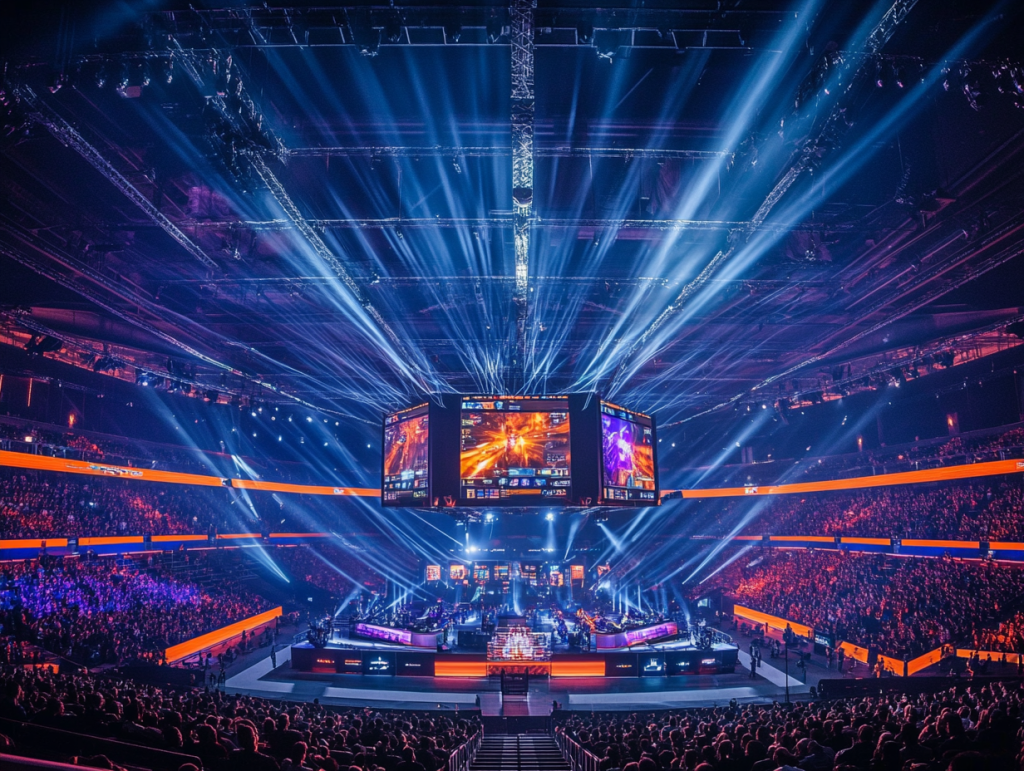
Esports is more than just competitive gaming—it’s a multi-billion-dollar industry that has reshaped how we view sports, entertainment, and community. What began as informal gatherings in school basements and local arcades has evolved into organized, global competitions that command massive audiences and sponsorship deals.
Why Esports Matters
- Cultural Impact: Esports has redefined sports culture by introducing a new kind of athlete and fan base, one that is digitally native and globally connected.
- Economic Powerhouse: With prize pools reaching millions of dollars and widespread media coverage, esports is a significant economic force in the entertainment industry.
- Community and Identity: Esports brings together diverse communities, fostering camaraderie, rivalry, and a shared passion for gaming.
- Technological Innovation: From live streaming to real-time analytics, esports drives innovation that often spills over into mainstream technology and entertainment.
Defining Esports and Key Niche Terms
What Is Esports?
Esports, short for electronic sports, refers to competitive video gaming at a professional level. It involves organized, multiplayer video game competitions, particularly between professional players.
- Clarification: Esports is distinguished from casual or amateur gaming by its structured competition, professional teams, and significant financial stakes. It is now recognized as a legitimate form of sports entertainment with global tournaments, dedicated leagues, and millions of viewers.
LAN Parties
LAN (Local Area Network) parties were early forms of competitive gaming, where players would gather in a physical location to connect their computers and play games together.
- Clarification: These gatherings, popular in the 1990s and early 2000s, were precursors to modern online gaming. They were characterized by a sense of community and direct interaction, laying the groundwork for the competitive and social aspects of esports.
Tournaments and Leagues
In the context of esports, tournaments and leagues are organized competitions where teams or individual players compete for titles, prize money, and ranking.
- Clarification: Tournaments are typically one-off events with knockout or bracket formats, while leagues involve regular season play, similar to traditional sports leagues, culminating in playoffs and championships.
The Early Days: LAN Parties and Informal Competitions
The LAN Party Era
Before the internet made online multiplayer ubiquitous, gaming communities thrived in local settings. LAN parties were the birthplace of competitive gaming, where friends and strangers gathered to play side-by-side.
Key Characteristics of LAN Parties:
- Physical Gatherings: Gamers met in person, often in basements or community centers, connecting their computers via local networks.
- Community Bonding: The face-to-face interaction fostered strong community bonds and shared experiences.
- Early Competitions: Informal tournaments emerged during these gatherings, laying the groundwork for competitive gaming culture.
Impact on Esports
- Innovation and Experimentation: LAN parties allowed gamers to experiment with new strategies and game modes, fostering an environment of innovation.
- The Birth of Rivalries: Competitive spirit and friendly rivalries that began at LAN parties eventually evolved into professional esports rivalries.
- Foundation for Online Play: The camaraderie and competition from LAN gatherings provided a natural transition to online gaming, setting the stage for the global tournaments we see today.
The 1990s: The Rise of Competitive Gaming
Transition to Online Competitions
The 1990s marked a pivotal shift as the internet began to connect gamers across the globe. This era saw the birth of early competitive gaming tournaments and the gradual move from local LAN parties to online platforms.
Key Developments:
- Early Online Multiplayer Games: Titles like Doom and Quake allowed players to connect over networks, ushering in a new era of competitive gaming.
- Formation of Online Communities: Gaming forums and chat rooms became hotbeds for sharing strategies, organizing matches, and discussing game mechanics.
- Increased Accessibility: As internet access improved, more players could participate in online competitions, expanding the competitive landscape.
The Emergence of Professional Tournaments
With the internet’s rise, organized tournaments began to emerge. These early events laid the foundation for the professional esports scene.
Milestones:
- The Cyberathlete Professional League (CPL): One of the first major esports leagues, the CPL, helped formalize competitive gaming.
- Early World Championships: Tournaments in games like StarCraft in South Korea set the stage for global esports competitions, establishing standards for competitive play.
- Local and Regional Competitions: As the competitive scene grew, more localized tournaments emerged, eventually feeding into larger, international events.
The Turn of the Millennium: Esports Goes Mainstream
Online Streaming and Digital Platforms
The 2000s and 2010s were transformative years for esports, marked by the rise of online streaming platforms that brought competitive gaming into the living rooms of millions.
Key Platforms:
- Twitch: Launched in 2011, Twitch quickly became the hub for live esports streaming, allowing fans to watch tournaments and interact with their favorite players in real time.
- YouTube Gaming: This platform expanded the reach of esports through high-quality broadcasts and on-demand content.
- Social Media Integration: Platforms like Twitter and Facebook became essential for sharing highlights, live updates, and behind-the-scenes content.
Impact on Esports:
- Massive Audience Growth: Streaming platforms have helped esports reach unprecedented viewership numbers, rivaling traditional sports events.
- Monetization and Sponsorship: With increased viewership came lucrative sponsorship deals, advertising revenue, and prize pools, elevating esports to a professional level.
- Global Connectivity: Online streaming has connected gamers and fans worldwide, creating a truly global community.
The Birth of Esports Leagues
The transition from informal competitions to structured leagues transformed esports into a professional sport. Today, leagues with regular seasons, playoffs, and championship events are the norm.
Prominent Leagues:
- League of Legends Championship Series (LCS): A flagship league that has helped propel League of Legends into the global esports spotlight.
- Overwatch League: With city-based teams and a global fan base, this league represents the future of organized competitive gaming.
- Dota 2’s The International: Known for its massive prize pool, The International is a crowning event that brings together the best teams from around the world.
Benefits of Structured Leagues:
- Consistency and Professionalism: Regular seasons and league structures bring consistency to the competitive scene, allowing players to build careers and fans to follow their favorite teams.
- Increased Sponsorship: Structured leagues attract major brands and advertisers, further professionalizing the industry.
- Community Engagement: Leagues foster a strong sense of community through dedicated fan bases, local events, and international competitions.
Cultural Impact: How Esports Changed Gaming Culture
The Global Phenomenon of Esports
Esports is not just about the games—it’s a cultural revolution that has redefined what it means to be a gamer. The impact of esports extends into mainstream media, fashion, music, and even politics.
Cultural Shifts:
- From Niche to Mainstream: Esports has transitioned from a niche hobby to a mainstream entertainment powerhouse, with tournaments drawing audiences comparable to traditional sports.
- New Celebrity Culture: Professional gamers and esports influencers have become celebrities in their own right, with millions of followers and substantial influence over gaming trends.
- Social Integration: Esports has brought together diverse communities, fostering friendships and collaborations across cultural and geographical boundaries.
- Economic Empowerment: For many, esports is more than just a pastime—it’s a viable career path, offering opportunities for players, streamers, event organizers, and more.
Niche Definition: Esports Culture
- Clarification: Esports culture encompasses the behaviors, attitudes, and social interactions that define the competitive gaming community. It includes everything from fan rituals and team rivalries to the influence of streaming and social media on public perception. Esports culture is dynamic and continually evolving, shaped by both technological advances and community-driven innovation.
The Role of Media and Sponsorship
Media coverage and sponsorships have played a significant role in legitimizing esports as a professional sport.
Key Contributions:
- Broadcasting Excellence: Professional commentary, high-quality production, and innovative broadcasting techniques have turned esports into a spectacle enjoyed by millions.
- Brand Endorsements: Major brands, from energy drinks to tech giants, have invested heavily in esports, providing financial support and boosting its profile.
- Documentaries and Films: Esports documentaries and films have helped bring the stories of professional gamers and their communities to a wider audience, further cementing esports as a cultural force.
Challenges and Controversies in the Esports Landscape
Economic and Financial Hurdles
While esports has grown into a billion-dollar industry, it still faces significant economic challenges.
Financial Concerns:
- Sustainability of Revenue Models:
Despite lucrative sponsorships and advertising, the financial viability of some leagues and tournaments remains uncertain. Many organizations struggle to balance high player salaries, production costs, and prize pools. - Market Saturation:
With an ever-growing number of games and tournaments, the market is becoming saturated, making it harder for any one title to dominate the competitive scene. - Unequal Distribution of Wealth:
There is often a significant disparity between top-tier teams and smaller organizations, leading to debates about fair compensation and support for emerging talent.
Social and Ethical Issues
The rapid growth of esports has also brought about several social and ethical challenges.
Key Issues:
- Player Burnout:
The intense pressure to perform, constant training, and grueling travel schedules have led to burnout and mental health concerns among professional gamers. - Toxicity and Harassment:
Online communities, while vibrant, are not without their darker sides. Toxic behavior, harassment, and abuse remain significant challenges that the esports community must address. - Cheating and Fair Play:
The use of hacks, cheats, and match-fixing scandals continue to tarnish the integrity of competitive gaming, prompting calls for stricter regulations and better oversight. - Inclusivity and Diversity:
While esports is global, issues related to gender, race, and cultural representation persist. Efforts are being made to foster a more inclusive environment, but progress is slow.
Regulatory and Legal Challenges
As esports continues to evolve, it faces a complex regulatory landscape.
Legal Considerations:
- Intellectual Property Rights:
With the rise of streaming and online broadcasting, intellectual property rights have become a contentious issue, particularly regarding the use of game footage and live commentary. - Player Contracts and Labor Laws:
The professionalization of esports has led to the need for standardized contracts and labor protections, a challenge that is still being addressed by the industry. - Gambling and Betting:
Esports betting is a booming industry, but it also raises concerns about match-fixing, addiction, and the ethical implications of gambling in competitive sports.
The Future of Esports: Trends and Predictions
Technological Advancements
The future of esports is inextricably linked to technological innovation. As new technologies emerge, they will continue to shape the competitive gaming landscape.
Key Technologies:
- Virtual Reality (VR) and Augmented Reality (AR):
Immersive technologies are expected to further transform esports, offering new forms of competition and spectator experiences. VR tournaments could simulate real-world sports in a digital arena, while AR could overlay real-time statistics and interactive elements during live matches. - Artificial Intelligence and Analytics:
AI will play an increasingly important role in player performance analysis, strategy development, and even real-time commentary. Advanced data analytics will help teams optimize training and game strategies, while AI-driven tools could enhance viewer engagement through personalized highlights and predictions. - Blockchain and Decentralized Platforms:
Blockchain technology holds promise for secure transactions, transparent player contracts, and even new forms of fan engagement through NFTs (non-fungible tokens). These technologies could lead to more equitable revenue distribution and innovative sponsorship models.
Social and Cultural Evolution
The cultural impact of esports will continue to grow as it becomes more integrated into mainstream entertainment and society.
Future Cultural Trends:
- Mainstream Acceptance:
As esports gains further recognition, it is likely to be included in major sporting events, and may even see inclusion in international competitions like the Olympics. - Expanding Demographics:
Esports will continue to attract diverse audiences, breaking down cultural and geographic barriers. This will lead to more inclusive and globally representative competitions. - Enhanced Community Engagement:
With the rise of social media and dedicated platforms, the connection between fans, players, and teams will only deepen. Community-driven initiatives and grassroots tournaments will play an even larger role in shaping the future of esports. - Lifestyle Integration:
Esports is not just a sport—it’s a lifestyle. From fashion and music to education and mental health, the influence of esports will permeate various aspects of daily life, transforming how we think about competition, teamwork, and personal achievement.
Regulatory and Ethical Outlook
As the esports industry matures, it will need to address regulatory and ethical issues more proactively.
Future Considerations:
- Standardization of Player Contracts:
The development of industry-wide standards for player contracts, working conditions, and labor rights will be crucial for ensuring long-term sustainability. - Stricter Anti-Cheating Measures:
As cheating methods become more sophisticated, robust anti-cheating technologies and strict enforcement will be necessary to maintain competitive integrity. - Improved Mental Health Support:
With increased recognition of the mental health challenges faced by professional gamers, we can expect a more proactive approach to player wellbeing, including regular psychological support and better work-life balance initiatives. - Fair Revenue Distribution:
Ensuring that the economic benefits of esports are distributed fairly among players, teams, and organizers will be a key challenge as the industry continues to grow.
Conclusion: The Ever-Evolving Legacy of Esports
The evolution of esports from humble LAN parties to global championships is a story of innovation, passion, and cultural transformation. As we’ve explored in this article, the journey of esports is marked by groundbreaking tournaments, technological advancements, and a vibrant, diverse community that continues to push the boundaries of what competitive gaming can be.
The exploration of esports is a constant source of inspiration. The growth of this industry is not just a testament to the evolution of gaming technology—it’s also a reflection of our collective desire for connection, competition, and creativity. Esports has redefined what it means to be a professional athlete in the digital age, blending skill, strategy, and community in ways that are truly revolutionary.
Looking to the future, the challenges are many—from ensuring fair play and economic sustainability to addressing mental health and regulatory issues. However, the potential for further innovation is enormous. With advancements in VR, AI, and blockchain technology, esports is poised to reach new heights, offering immersive experiences and unprecedented opportunities for players and fans alike.
As esports continues to evolve, its impact will extend far beyond the realm of gaming. It will influence global culture, shape new economic models, and redefine how we interact with digital content. Whether you’re a seasoned pro, an enthusiastic newcomer, or simply a curious observer, the future of esports promises to be an exciting and transformative journey.
So, let’s celebrate the milestones of the past, embrace the challenges of the present, and look forward to a future where esports stands as a beacon of innovation, inclusivity, and global connection. The game is far from over, and every match, every tournament, and every shared victory adds a new chapter to this incredible story.
— Anca Inari


 Neon Aurora
Leave a comment