My passion for exploring gaming history, trends, and culture often leads me to fascinating innovations that shape the way we experience virtual worlds. One such innovation is procedural generation—a technique that has transformed the gaming landscape by enabling developers to create expansive, dynamic worlds that feel virtually infinite. From the blocky realms of Minecraft to the vast, uncharted galaxies of No Man’s Sky, procedural generation has revolutionized game design, offering players experiences that are unique and ever-changing. In this article, we’ll dive deep into the art and science behind procedural generation, exploring its history, underlying algorithms, and its impact on modern gaming.
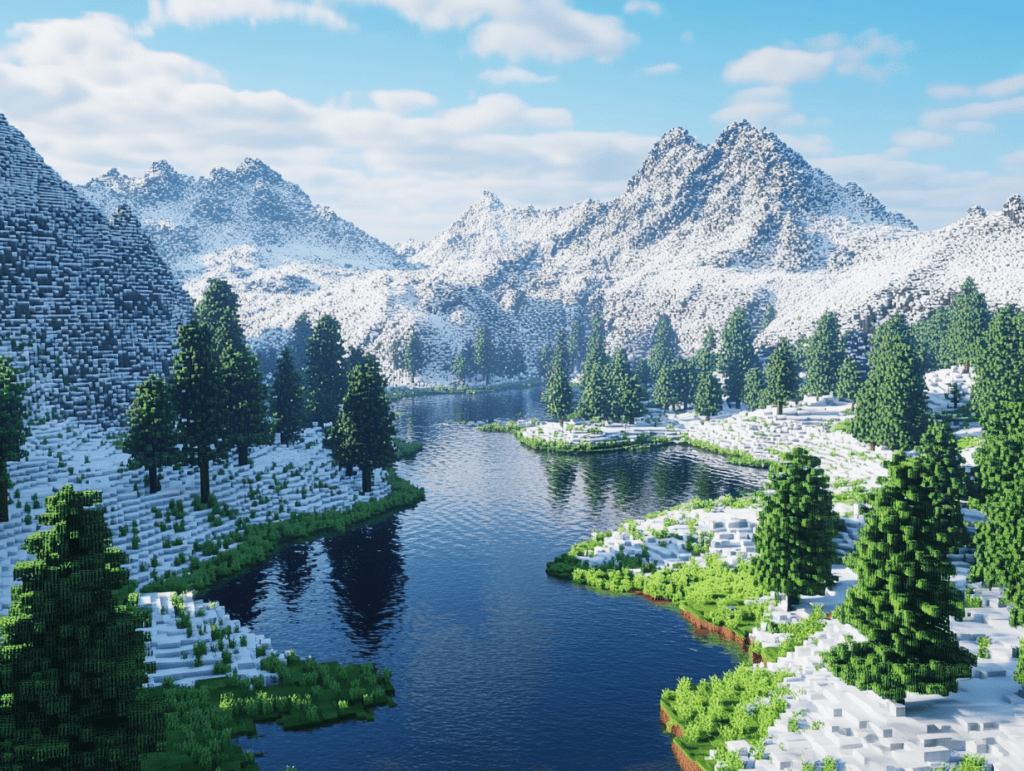
What Is Procedural Generation?
Procedural generation refers to the use of algorithms to automatically create data, in this case, game content. Unlike traditional game design, where every asset is handcrafted by developers and artists, procedural generation leverages mathematical formulas and randomization to generate worlds, levels, and even narratives.
Key Concepts
- Algorithm-Driven Content: Instead of manually designing every element, developers write code that can produce game assets such as terrain, buildings, and even entire ecosystems.
- Randomization and Variation: Although guided by algorithms, procedural generation often incorporates randomness to ensure that no two playthroughs are exactly the same.
- Scalability: One of the most significant advantages is the ability to create vast amounts of content without exponentially increasing development costs.
- Replayability: Procedural generation keeps gameplay fresh, encouraging players to explore and discover new elements each time they play.
A Brief History of Procedural Generation in Gaming
Early Experimentation
The concept of procedural generation is not new. Early computer games, limited by hardware constraints, often used simple algorithms to generate maps and levels. Games like Rogue (1980) laid the foundation for this approach, where randomly generated dungeons ensured that each playthrough was different.
Evolution Over Time
- 1980s and 1990s: Early procedural generation techniques were primarily used in roguelikes and strategy games, where randomness was key to replayability.
- 2000s: As computing power increased, procedural generation found its way into more mainstream titles. Games such as Diablo used randomized levels to keep the experience unpredictable.
- 2010s to Present: With titles like Minecraft and No Man’s Sky, procedural generation has reached new heights, enabling the creation of expansive worlds that can contain millions or even billions of unique elements.
How Does Procedural Generation Work?
At its core, procedural generation relies on algorithms that combine mathematical functions, random number generation, and sometimes even artificial intelligence to create game content.
Core Algorithms and Techniques
- Perlin Noise:
One of the most common algorithms used in procedural generation, Perlin noise is a type of gradient noise that helps generate natural-looking textures and terrains. It’s widely used in games like Minecraft to create rolling hills, mountains, and valleys. - Fractals:
Fractals use recursive mathematical formulas to create complex patterns that can simulate natural phenomena such as coastlines, mountain ranges, and forests. Fractals are key to generating realistic landscapes that scale seamlessly. - Cellular Automata:
Cellular automata are used to simulate growth and evolution, often in the creation of cave systems or organic structures. By defining simple rules for how cells interact, developers can generate intricate patterns and networks. - L-Systems:
Used primarily for procedural generation of plant life, L-Systems (Lindenmayer systems) generate fractal-like branching structures, ideal for creating realistic trees, vines, and other vegetation. - Random Seed Initialization:
A seed value is a starting point for a pseudo-random number generator. This seed ensures that the same world can be regenerated if needed, or that a unique world is created each time the game is played.
The Role of Randomness
Randomness is both the engine and the artist in procedural generation. By introducing controlled chaos, games can offer nearly infinite variability:
- Unique Playthroughs: No two sessions are exactly alike, enhancing replayability.
- Dynamic Challenges: Players must adapt to environments and scenarios that evolve based on random factors.
- Emergent Gameplay: Unpredictable combinations of elements can lead to new strategies, surprises, and even entirely new game modes.
Case Studies: Minecraft and No Man’s Sky
Minecraft: Building a World One Block at a Time
Minecraft is perhaps the most iconic example of procedural generation in modern gaming. Developed by Markus Persson and later by Mojang, Minecraft relies heavily on procedural generation to create its endless worlds.
How Minecraft Uses Procedural Generation
- Terrain Generation:
Using algorithms like Perlin noise, Minecraft generates varied landscapes filled with mountains, valleys, rivers, and caves. The terrain is composed of blocks that represent different materials (dirt, stone, water), and their distribution is determined by the underlying noise functions. - Biomes and Ecosystems:
The game features diverse biomes—such as deserts, forests, and tundras—each with its own flora, fauna, and resources. Procedural algorithms determine not only the location but also the characteristics of each biome. - Structure Generation:
Beyond terrain, Minecraft also procedurally generates structures like villages, temples, and fortresses. This adds layers of exploration and surprise for players who venture far from their starting point.
Impact on Gameplay
- Infinite Exploration:
The virtually endless worlds ensure that players can explore new territories every time they start a game. - Creative Freedom:
Players can shape and build upon the generated world, using its raw materials to create their own unique structures and landscapes. - Community and Mods:
The open-ended nature of procedural generation has fostered a massive community of modders and creators who build upon the core mechanics to add new dimensions to the game.
No Man’s Sky: A Universe of Infinite Possibilities
No Man’s Sky, developed by Hello Games, represents another leap forward in procedural generation. Promising an entire universe filled with unique planets, species, and ecosystems, the game leverages procedural algorithms to create a near-infinite number of planets for players to explore.
How No Man’s Sky Uses Procedural Generation
- Planetary Generation:
Each planet in No Man’s Sky is generated using complex algorithms that determine its geography, climate, flora, and fauna. Players can discover planets with distinct ecosystems, weather patterns, and even anomalies. - Procedural Lifeforms:
The game generates species and creatures using procedural rules, resulting in diverse and often bizarre alien life. This not only adds to the visual spectacle but also creates emergent gameplay, as players interact with unpredictable life forms. - Dynamic Ecosystems:
Ecosystems evolve over time. Weather conditions, resource distribution, and even the behavior of creatures change, making each planet a living, breathing world.
Impact on Gameplay
- Sense of Scale:
The sheer number of planets and the diversity of their environments give players a tangible sense of exploration and wonder. - Emergent Storytelling:
As players interact with the universe, they can uncover lore and narratives that are not pre-scripted but rather emerge from the world’s dynamic systems. - Community Interaction:
Despite initial challenges at launch, continuous updates and community-driven content have helped No Man’s Sky realize its vision of an ever-evolving universe.
The Advantages and Challenges of Procedural Generation
Advantages
- Infinite Content:
Procedural generation enables developers to create vast, endless worlds without manually crafting every detail. This is especially beneficial for open-world and sandbox games. - Cost Efficiency:
By automating the creation of game assets, developers can reduce production time and costs, allowing for more focus on gameplay mechanics and player experience. - Enhanced Replayability:
The random nature of procedural worlds means that no two playthroughs are identical, providing endless opportunities for exploration and discovery. - Scalability:
Games can offer a virtually limitless amount of content, adapting to different player preferences and styles.
Challenges
- Quality Control:
Procedurally generated content can sometimes lack the polish of handcrafted designs. Ensuring that the generated world feels cohesive and intentional is a significant challenge. - Predictability vs. Randomness:
While randomness can lead to unique experiences, it can also result in predictable patterns or imbalances in gameplay if not carefully managed. - Technical Limitations:
The algorithms that drive procedural generation require significant computational resources, and optimizing these systems for performance across various hardware platforms is an ongoing challenge. - Artistic Integrity:
Some players and developers argue that procedural generation can strip away the artistic vision of a game, reducing rich, narrative-driven worlds to mere algorithmic outputs.
The Future of Procedural Generation in Gaming
As technology continues to advance, the potential for procedural generation will only grow. Developers are already exploring ways to refine these systems, making them more responsive, immersive, and integrated with player-driven narratives.
AI-Enhanced Procedural Generation
- Adaptive Worlds:
Future games may use AI to adapt procedural worlds in real time, responding to player actions and creating dynamic, personalized experiences. - Hybrid Approaches:
Combining handcrafted elements with procedural generation can ensure that worlds feel both vast and artistically coherent. - Emotionally Responsive Environments:
AI might eventually allow worlds to adapt emotionally, changing in response to a player’s mood or narrative choices, deepening immersion.
Cross-Disciplinary Collaborations
- Artists and Programmers:
The future of procedural generation will likely involve closer collaborations between artists and developers. This will ensure that while algorithms generate the world, human creativity guides its overall aesthetic and narrative. - Community Involvement:
Many games already benefit from community mods and customizations. Future titles might integrate community feedback directly into the procedural generation process, allowing players to shape the world dynamically.
Real-World Implications
Procedural generation isn’t just revolutionizing games—it’s influencing other fields, too:
- Architecture and Urban Planning:
Techniques developed for game worlds are being adapted for real-world simulations, helping architects design cities and manage resources more effectively. - Virtual and Augmented Reality:
As VR and AR technologies mature, procedural generation will be key to creating immersive environments that can adapt on the fly, providing personalized experiences in education, training, and entertainment. - Content Creation:
Beyond gaming, procedural algorithms are inspiring new forms of digital art and interactive storytelling, blurring the lines between technology and creativity.
The Cultural Impact of Infinite Worlds
Expanding the Narrative Horizon
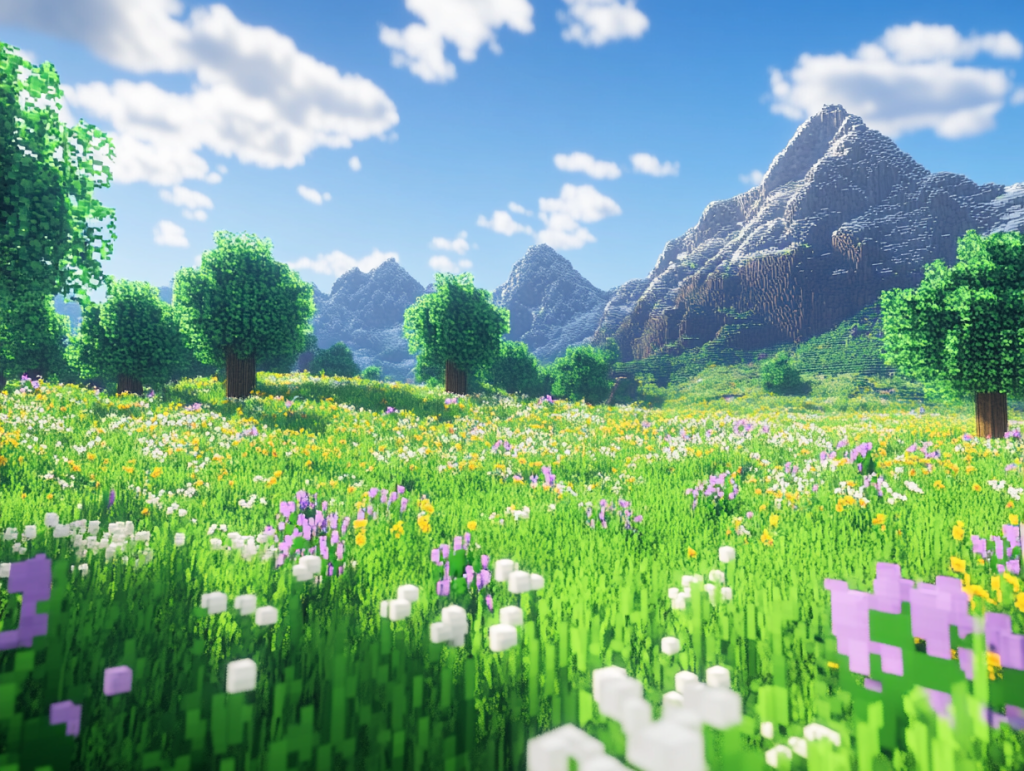
Procedural generation has democratized world-building in a way that was previously unimaginable. It has allowed indie developers and large studios alike to offer players experiences that extend far beyond scripted narratives.
- Empowering Creativity:
By providing a framework where players can explore and even modify worlds, procedural generation fosters a culture of creativity and exploration. - Community-Driven Content:
Many games with procedurally generated elements encourage community modifications, leading to an ever-evolving tapestry of shared digital culture. - New Forms of Storytelling:
Infinite, algorithmically generated worlds provide fertile ground for emergent storytelling—narratives that arise organically from the player’s interaction with the world, rather than from a predetermined script.
Social and Psychological Effects
The vast, unpredictable landscapes created by procedural generation can have profound psychological impacts:
- Sense of Discovery:
The knowledge that no two journeys are identical fosters a sense of wonder and exploration, enhancing the emotional connection to the game. - Escapism and Immersion:
The immersive quality of a procedurally generated world allows players to lose themselves in a boundless digital universe—a powerful antidote to the constraints of daily life. - Community and Collaboration:
Sharing discoveries and strategies in procedurally generated worlds builds a vibrant community, where collective problem-solving and creativity thrive.
Conclusion
Procedural generation is the art of creating infinite worlds—a technological marvel that has reshaped the landscape of gaming. From the simple yet profound block-based universes of Minecraft to the sprawling, star-studded galaxies of No Man’s Sky, this technique has unlocked a level of creativity and scalability that continues to inspire and amaze.
The blend of mathematics, art, and computer science behind procedural generation not only makes games more expansive and unpredictable but also democratizes world-building, enabling developers to create experiences that are truly limitless. As we look to the future, advancements in AI, machine learning, and cross-disciplinary collaboration promise to refine these systems even further, bridging the gap between human creativity and algorithmic generation.
For me, exploring the potential of procedural generation is a journey into the heart of what makes digital worlds so mesmerizing. It’s a reminder that even in a realm governed by code, the possibilities are as boundless as our imagination. Whether you’re a gamer seeking endless adventures or a creator looking to push the boundaries of digital art, procedural generation offers a glimpse into a future where worlds are limited only by our creativity.
So, the next time you traverse a vast digital landscape in Minecraft, or lose yourself among the stars in No Man’s Sky, take a moment to appreciate the ingenious algorithms working behind the scenes—crafting infinite worlds, one random seed, one more block, one more vertex at a time.
— Anca Inari



 Neon Aurora
Leave a comment