In the digital age, video games have evolved far beyond mere entertainment. Some have developed fully functional economies that mirror—if not rival—the complexity of real-world financial systems. From World of Warcraft‘s gold markets to EVE Online‘s corporate wars, virtual economies have become playgrounds for traders, economists, and even opportunistic fraudsters. What makes these economies tick? And what happens when real money starts influencing these digital marketplaces?
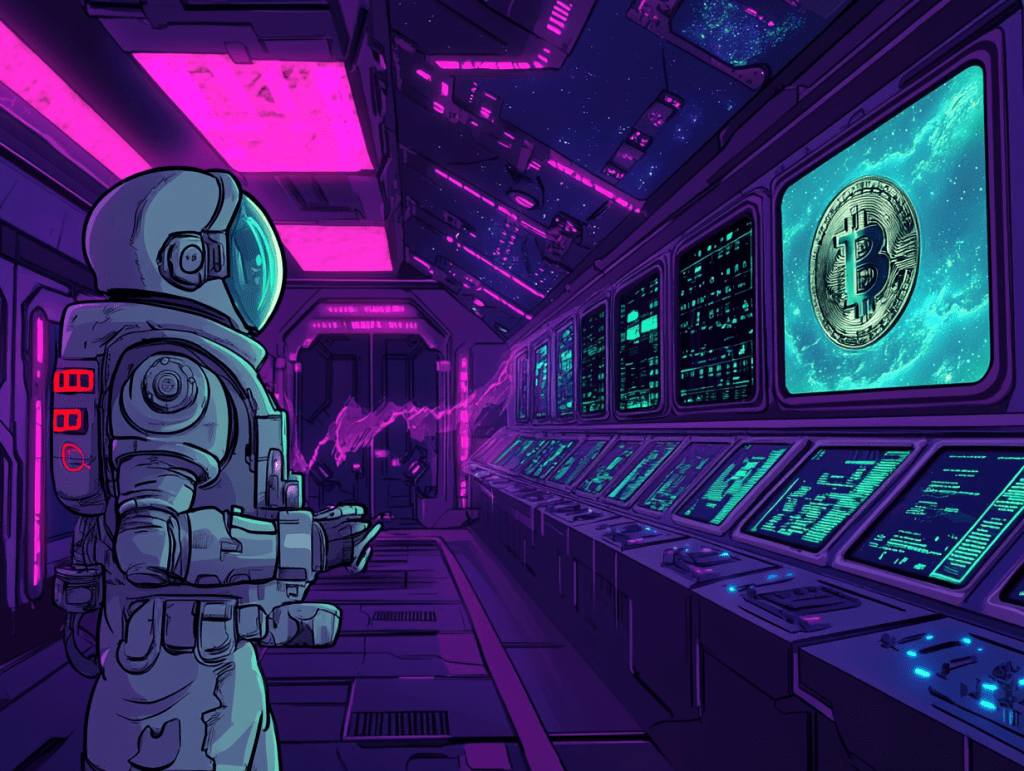
The Foundations of Virtual Economies
What Is a Virtual Economy?
A virtual economy is an ecosystem of goods, services, and currency within a digital space—usually inside a video game or online world. Unlike traditional economies, these systems operate under developer-imposed rules, but their dynamics are shaped by the actions of players.
Key elements include:
- In-game currency (WoW gold, ISK in EVE Online)
- Tradeable assets (weapons, armor, skins, rare items)
- Supply and demand mechanics
- Labor markets (farming, crafting, or providing in-game services)
- Speculation and market manipulation
What started as a way to enhance gameplay has grown into an economic force with real-world consequences.
The Role of Developers
Game developers act as the governing bodies of virtual economies. They control inflation through currency sinks (like repair fees, taxes, or auction house fees) and supply shocks (introducing new loot or nerfing drop rates). Unlike real-world governments, developers wield god-like control—they can reset entire economies with a patch or expansion.
However, when real money enters the picture, developers must carefully balance fairness, monetization, and player satisfaction.
Case Studies: Virtual Economies in Action
EVE Online: A Living, Breathing Economic Simulator
Few virtual economies are as detailed—or cutthroat—as EVE Online. The game’s economy is driven almost entirely by players, from resource gathering to manufacturing and trade.
Key Features of EVE’s Economy:
- Player-Owned Corporations: Function like businesses, with employees, wages, and strategic investments.
- Dynamic Marketplaces: Prices fluctuate based on supply, demand, and even large-scale wars.
- Banking and Ponzi Schemes: Scandals, like the infamous EVE Intergalactic Bank fraud, have seen billions of in-game currency vanish overnight.
- Real-World Value: Some ships in EVE Online cost the equivalent of thousands of dollars in real-world money, making large-scale battles a financial spectacle.
The $300,000 Battle
In 2014, EVE Online saw a massive war known as the “Battle of B-R5RB,” where thousands of players fought, leading to real-world losses estimated at over $300,000 in in-game assets. The battle happened due to a missed rent payment on a key star system, showing how minor economic miscalculations can snowball into historic conflicts.
World of Warcraft: Gold, Farming, and Black Markets
Blizzard’s World of Warcraft (WoW) has long been a testing ground for virtual economies. Gold, the primary currency, is used for everything from armor repairs to high-end mounts.
Key Economic Features of WoW:
- Gold Sinks: Blizzard introduced mechanics to remove excess currency from the economy and control inflation.
- Auction House: A player-run marketplace where prices fluctuate based on supply and demand.
- Gold Farming: Third-party companies (often employing underpaid workers, known as ‘gold farmers’) gather and sell gold for real money, despite Blizzard’s bans.
- WoW Tokens: Blizzard’s answer to real-money trading, allowing players to buy game time with in-game gold—effectively giving gold a real-world exchange rate.
The Battle Against Inflation
Before Blizzard implemented WoW Tokens, illegal gold-selling led to rampant inflation. By introducing an official way to buy and sell gold, Blizzard stabilized the economy and even turned illicit trade into a revenue stream.
Real-World Implications of Virtual Wealth
The Psychology of Virtual Wealth
Virtual wealth affects players in ways similar to real-world money. Studies show:
- Players experience loss aversion when losing in-game currency.
- Scarcity drives demand, making rare items more desirable (even if functionally identical to common ones).
- Social status is tied to in-game wealth, reinforcing engagement (or addiction).
The Dark Side: Fraud, Hacking, and Black Markets
With real money at stake, virtual economies attract crime:
- Item Duplication Glitches: Players exploit bugs to flood the market with rare items.
- Hacks and Account Theft: Stolen accounts and digital assets are sold on the black market.
- Money Laundering: Criminals use in-game transactions to launder real-world money through hard-to-trace purchases and sales.
The Future of Virtual Economies
Regulation and Oversight
As virtual economies grow, governments are taking notice. Laws surrounding:
- Taxation on digital earnings
- Anti-money laundering policies
- Consumer protection for digital assets will shape how these economies function in the coming years.
AI and Automated Market Regulation
Some developers are turning to AI-driven algorithms to:
- Detect and prevent market manipulation
- Adjust in-game currency flow dynamically
- Crack down on fraudulent activity in real time
The Metaverse: The Next Economic Frontier?
As games evolve into persistent online worlds (like Meta’s Horizon Worlds or Decentraland), the lines between virtual and real economies will blur further. Expect:
- Digital land speculation (NFT-based property markets)
- Full-time careers in virtual economies (beyond esports and streaming)
- Stronger legal protections for digital assets
Conclusion
Virtual economies are no longer just a side feature of gaming—they are complex financial ecosystems with real-world impact. Whether it’s EVE Online’s intergalactic wars, WoW’s token system, or blockchain-powered games, the future of virtual economies is rapidly evolving.
As we continue to spend more time in digital worlds, understanding these economies becomes essential—not just for gamers, but for economists, policymakers, and developers alike. Who knows? One day, the skills you develop trading in an MMO might just land you a job on Wall Street.
What do you think?
Have you ever participated in a game’s economy? Do you see a future where virtual wealth is just as significant as real-world wealth? Let’s discuss!
By Anca Inari





 Neon Aurora
Leave a comment