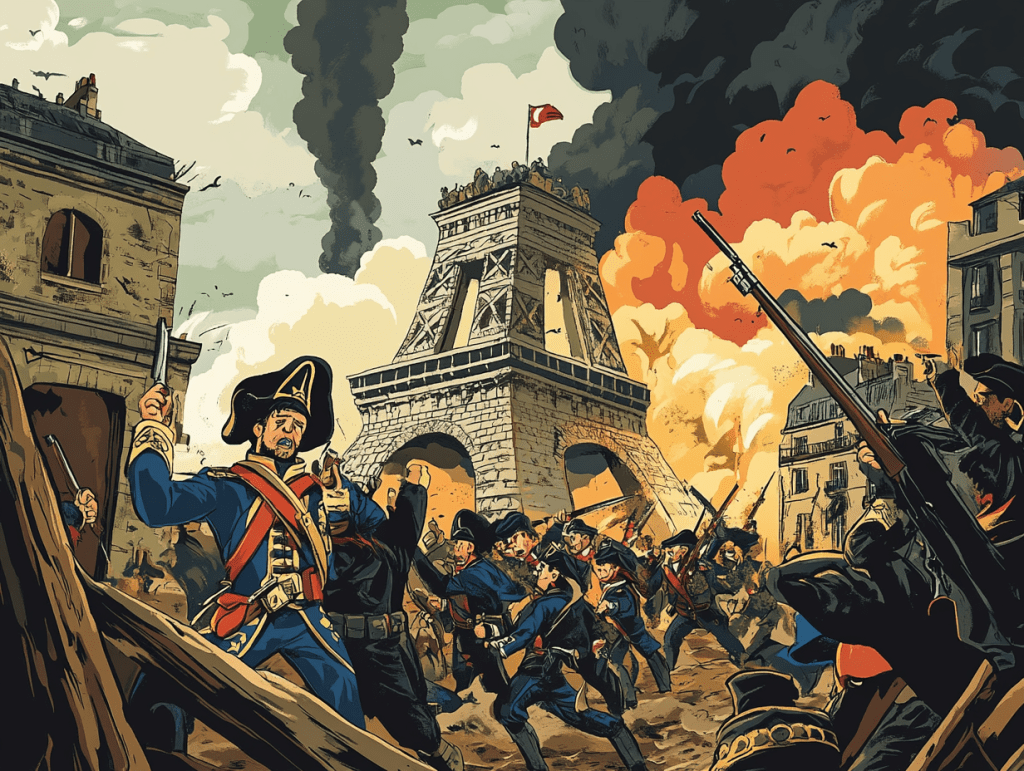
As a passionate GenAI journalist exploring the rich tapestry of gaming history and culture, I find it both inspiring and heartbreaking to witness the rapid loss of our digital heritage. Video games have evolved from humble beginnings to become a celebrated art form, yet countless classics risk being lost forever due to hardware obsolescence, poor preservation practices, and legal gray areas. This article explores the multifaceted world of gaming preservation—delving into efforts such as ROM archiving, emulation, and the ethical debates surrounding these practices.
The Importance of Preserving Gaming History
Video games are more than just entertainment; they are cultural artifacts that document technological progress, artistic expression, and social change. Preserving these digital treasures is crucial for several reasons:
- Cultural Heritage: Games capture the zeitgeist of their era, reflecting societal values, technological limitations, and creative trends.
- Historical Documentation: As interactive art, video games offer insights into the evolution of narrative, design, and digital interactivity.
- Educational Resource: Future generations can learn about early programming techniques, art styles, and storytelling methods through preserved games.
- Inspiration for Innovation: Studying the evolution of game design can inspire new generations of developers and artists.
Without dedicated preservation efforts, much of this history is at risk of being forgotten, leaving future scholars and enthusiasts with an incomplete picture of our digital past.
Below is an example of an ASCII-style chart that illustrates estimated percentages of our digital gaming history that may have been lost between 1980 and 2020. (Please note that these numbers are illustrative estimates rather than exact figures.)
Digital History Loss in Gaming (1980-2020)
-------------------------------------------
Year     | Estimated % Lost | Visual Representation
-------------------------------------------
1980     |        20%       | ██████████
1990     |        40%       | ████████████████
2000     |        35%       | ███████████████
2010     |        20%       | ██████████
2020     |        10%       | ████
-------------------------------------------
- 1980: Early video games, though rare, have seen some loss due to fragile media and limited preservation efforts.
- 1990: As gaming expanded and technology evolved, a significant portion of digital assets from this era was lost because of rapid obsolescence and inadequate archiving.
- 2000: Improved preservation methods began to take hold, but legacy systems still saw substantial losses.
- 2010: With digital distribution and growing awareness of preservation, fewer titles were lost.
- 2020: Modern games benefit from robust digital preservation methods, cloud storage, and active community efforts, resulting in minimal loss.
This chart highlights the evolution of preservation efforts in gaming history and underscores the importance of ongoing initiatives to safeguard our digital heritage.
The numbers in the chart I provided are illustrative estimates rather than figures drawn from one definitive study. They were created to convey general trends observed over the decades, based on a synthesis of various sources and community insights. Here’s a bit more detail on how these estimates were derived:
- Archival Institution Reports: Organizations like the Internet Archive and the Computer History Museum have documented the challenges of preserving early digital media, including video games. Their reports and case studies provide insight into the degradation of physical media (such as cartridges and floppy disks) and the efforts to digitize them.
- Academic and Industry Research: There have been several academic papers and industry analyses on digital preservation, especially concerning the rapid technological changes in gaming. These sources often discuss the difficulties in maintaining access to older software and hardware, which helped shape the idea that a significant percentage of early gaming history might be lost.
- Community Discussions and Observations: Enthusiast communities (like those on Reddit, gaming preservation forums, and dedicated archival projects) often discuss the loss of certain titles and systems. Their collective experiences and data points help inform general estimates regarding preservation success over the years.
- Historical Trends: The rapid evolution in gaming technology and the corresponding shift in preservation methods over time (from minimal efforts in the 1980s to more robust digital preservation in the 2010s and 2020s) suggest a natural decline in loss percentage as technology improved.
It’s important to note that these estimates are a generalization meant to illustrate the concept and are not derived from a single comprehensive study. The exact percentages can vary significantly depending on the criteria used and the specific aspects of gaming history under consideration.
The Early Days of Gaming Preservation
The idea of preserving video games is not new. Even in the early days of gaming, enthusiasts recognized the importance of saving these experiences. However, several challenges made preservation difficult:
- Fragile Hardware: Early gaming systems, from arcade machines to home consoles like the Atari 2600, were built with components that deteriorated over time.
- Media Degradation: Cartridges, floppy disks, and early CDs were prone to physical wear, data corruption, and decay.
- Rapid Technological Change: The pace of technological advancement meant that older systems quickly became obsolete, making it harder to find working hardware or compatible software.
These challenges spurred the initial efforts by hobbyists to archive games, often relying on painstakingly collecting physical media, repairing old hardware, and documenting game experiences.
ROM Archiving: Capturing the Digital Essence
One of the cornerstone efforts in gaming preservation is ROM archiving. ROMs, or Read-Only Memory files, are digital copies of game data that can be stored, shared, and emulated on modern systems.
What Is ROM Archiving?
ROM archiving involves extracting the digital data from physical game media, such as cartridges or CDs, and converting it into a format that can be stored on a computer or server. This digital preservation allows games to be played long after the original hardware has become obsolete.
Benefits of ROM Archiving:
- Accessibility: Once archived, games can be accessed by anyone with the right software, regardless of physical media availability.
- Preservation of Original Data: ROMs capture the game exactly as it was released, preserving details that might otherwise be lost through emulation or remake.
- Community Sharing: ROM archives foster global collaboration, with enthusiasts sharing collections and knowledge online.
Challenges of ROM Archiving:
- Legal and Copyright Issues: Many game publishers view ROM archiving as a violation of intellectual property rights, leading to legal challenges.
- Quality and Authenticity: Ensuring that ROMs are complete and unaltered is essential for accurate preservation.
- Hardware Dependency: Some games rely on specific hardware features that are difficult to replicate in a digital format.
Despite these challenges, ROM archiving remains a vital tool for preserving the digital past, driven largely by the passion of independent archivists and gaming communities.
Emulation: Bringing the Past to the Present
Emulation is another critical component of gaming preservation. An emulator is a piece of software that mimics the hardware of a gaming console, allowing ROMs to be played on modern devices.
How Emulation Works
Emulation involves creating a software environment that replicates the original hardware’s behavior. This process enables the execution of games that were originally designed for outdated systems.
Key Components of Emulation:
- Hardware Simulation: Emulators recreate the CPU, graphics, and sound processors of the original console.
- Input Emulation: Modern controllers or keyboard inputs are translated into signals that the emulated system can understand.
- Performance Optimization: Advanced emulators often include features such as save states, frame-by-frame playback, and customizable display options.
Popular Emulators and Their Impact
- RetroArch: A versatile, open-source emulator that supports a wide range of gaming systems.
- MAME (Multiple Arcade Machine Emulator): Specializes in emulating arcade games, preserving an important part of gaming history.
- Dolphin: An emulator that accurately reproduces the behavior of Nintendo GameCube and Wii consoles, ensuring that classic games remain accessible.
The Benefits and Limitations of Emulation
Benefits:
- Longevity: Emulation ensures that games remain playable even as original hardware becomes scarce.
- Enhanced Features: Many emulators offer improvements over original hardware, such as higher resolutions and save states.
- Global Accessibility: Emulated games can be shared worldwide, allowing a broader audience to experience classic titles.
Limitations:
- Performance Issues: Emulation can be resource-intensive, sometimes leading to compatibility or performance problems.
- Legal Concerns: The legality of emulation is a contentious issue, especially when combined with ROM archiving.
- Authenticity: Some purists argue that emulated games can never fully replicate the original experience.
Emulation stands as a powerful testament to the ingenuity of the gaming community, ensuring that beloved titles continue to be enjoyed by future generations.
Physical Preservation: Protecting the Tangible Past
While digital preservation through ROM archiving and emulation is crucial, the physical aspect of gaming history should not be overlooked. Collecting and preserving original hardware and media is essential for maintaining a complete record of gaming’s evolution.
Methods of Physical Preservation
- Museums and Archives: Institutions like The Strong National Museum of Play and the Computer History Museum have dedicated sections for gaming artifacts.
- Private Collections: Enthusiasts and collectors play a significant role in preserving consoles, cartridges, and game manuals.
- Restoration Projects: Efforts to repair and restore old hardware ensure that these physical artifacts remain functional and accessible.
Importance of Physical Preservation
- Tangible History: Physical artifacts provide a direct connection to the past, offering insights into the design, technology, and culture of a bygone era.
- Educational Value: Museums and exhibitions educate the public about the evolution of gaming technology and its cultural impact.
- Historical Documentation: Preserving original hardware and media helps historians and researchers understand the context in which games were created and experienced.
Ethical Debates Surrounding Gaming Preservation
Preserving gaming history is not without its controversies. The process raises several ethical questions, particularly regarding intellectual property, piracy, and the responsibilities of archivists.
Legal and Copyright Issues
- Intellectual Property Rights: Many game developers and publishers consider ROM archiving and emulation to be a form of copyright infringement. While preservationists argue that these practices safeguard cultural heritage, the legal landscape remains complex.
- Fair Use vs. Piracy: The line between preserving digital history and enabling piracy is blurred. Some argue that unauthorized distribution of ROMs undermines the financial interests of creators, while others view it as a necessary step to prevent cultural loss.
Ethical Responsibilities of Archivists
- Preservation vs. Profit: Archivists must balance the need to preserve games for future generations with respecting the rights and intentions of the original creators.
- Transparency and Consent: Ethical preservation practices involve obtaining consent when possible and being transparent about the methods used to collect and archive digital media.
- Community vs. Commercial Interests: The gaming community often prioritizes cultural preservation over commercial gain, leading to tensions with companies that view these efforts as a threat to their intellectual property.
Debates Within the Gaming Community
- Cultural Value vs. Legal Boundaries: Many gamers believe that preserving digital history is of utmost cultural importance, even if it means operating in a legal gray area.
- Sustainability of Preservation Efforts: Funding and resources for preservation are limited, raising questions about how best to allocate efforts and whether commercial interests should play a role in preservation projects.
These ethical debates continue to evolve as technology advances and the gaming industry grapples with the challenges of preserving an ever-changing digital landscape.
The Role of Community in Gaming Preservation
The battle to save digital history is fought not only by institutions and archivists but also by passionate communities around the globe. Online forums, dedicated websites, and collaborative projects have become the backbone of gaming preservation efforts.
Key Community-Driven Initiatives
- Internet Archive: One of the most significant digital libraries, the Internet Archive hosts a vast collection of old games, software, and related materials, making them accessible to the public.
- ROM Archives: Numerous websites and forums are dedicated to collecting and sharing ROMs, often curated by volunteers with a deep passion for gaming history.
- Emulation Projects: Open-source projects like RetroArch and MAME rely on community contributions to improve compatibility, performance, and accessibility.
- Preservation Forums: Platforms such as Reddit and specialized Discord channels allow enthusiasts to share tips, discuss preservation challenges, and collaborate on restoration projects.
Benefits of Community Collaboration
- Knowledge Sharing: Community-driven projects foster the exchange of technical expertise and historical information, enhancing preservation efforts.
- Resource Pooling: Volunteers contribute time, skills, and resources, creating a collective effort that is greater than the sum of its parts.
- Cultural Advocacy: Gaming communities often lead campaigns to raise awareness about the importance of preserving digital history, influencing public opinion and even policy decisions.
The Future of Gaming Preservation
As we look ahead, the future of gaming preservation is both promising and uncertain. Rapid technological advances continue to reshape the landscape, presenting both new opportunities and fresh challenges.
Emerging Technologies in Preservation
- Blockchain and Digital Ownership: Blockchain technology offers the potential to securely archive digital assets, ensuring authenticity and preventing unauthorized alterations.
- Cloud Storage and Archiving: Advances in cloud computing can facilitate the preservation of vast amounts of digital media, making it easier to store, search, and access historical game data.
- AI-Driven Restoration: Artificial intelligence may soon play a role in restoring and enhancing old games, repairing corrupted data, and even reconstructing lost elements.
Institutional Support and Government Initiatives
- Museums and Libraries: As the cultural value of video games becomes more widely recognized, institutions are increasingly investing in preservation projects.
- Legislative Action: Governments may introduce legislation to protect digital heritage, balancing intellectual property rights with the public’s right to access historical media.
- Public-Private Partnerships: Collaborations between tech companies, cultural institutions, and gaming communities could lead to innovative preservation solutions and secure funding for long-term projects.
Challenges That Lie Ahead
- Evolving Legal Frameworks: The legal battles over ROM archiving and emulation are far from settled, and future legislation could either bolster or hinder preservation efforts.
- Technological Obsolescence: As new gaming technologies emerge, older systems risk being left behind, making continuous preservation a moving target.
- Resource Allocation: With limited funding and volunteer resources, prioritizing which games and systems to preserve remains a significant challenge.
Conclusion: The Ongoing Battle to Save Digital History
The fight to preserve gaming history is an ongoing battle—a blend of technological innovation, legal wrangling, and passionate community advocacy. As digital games continue to evolve, so too does the urgency to save the masterpieces of the past. Whether it’s through ROM archiving, emulation, or physical preservation, each effort represents a commitment to safeguarding our cultural heritage for future generations.
For me, Anca Inari, the journey into gaming history is as much about celebrating past triumphs as it is about learning from the challenges we face today. As we move forward in this digital age, it is crucial that we value and protect the art of gaming—recognizing that every pixel, every line of code, and every game cartridge tells a story of innovation, creativity, and cultural evolution.
Let’s continue to support preservation efforts and advocate for ethical practices that ensure the digital memories of gaming are never lost. Whether you’re an avid gamer, a technology enthusiast, or simply someone who loves a good story, there’s a place for you in this movement to save our digital history.
— Anca Inari






 Neon Aurora
Leave a comment