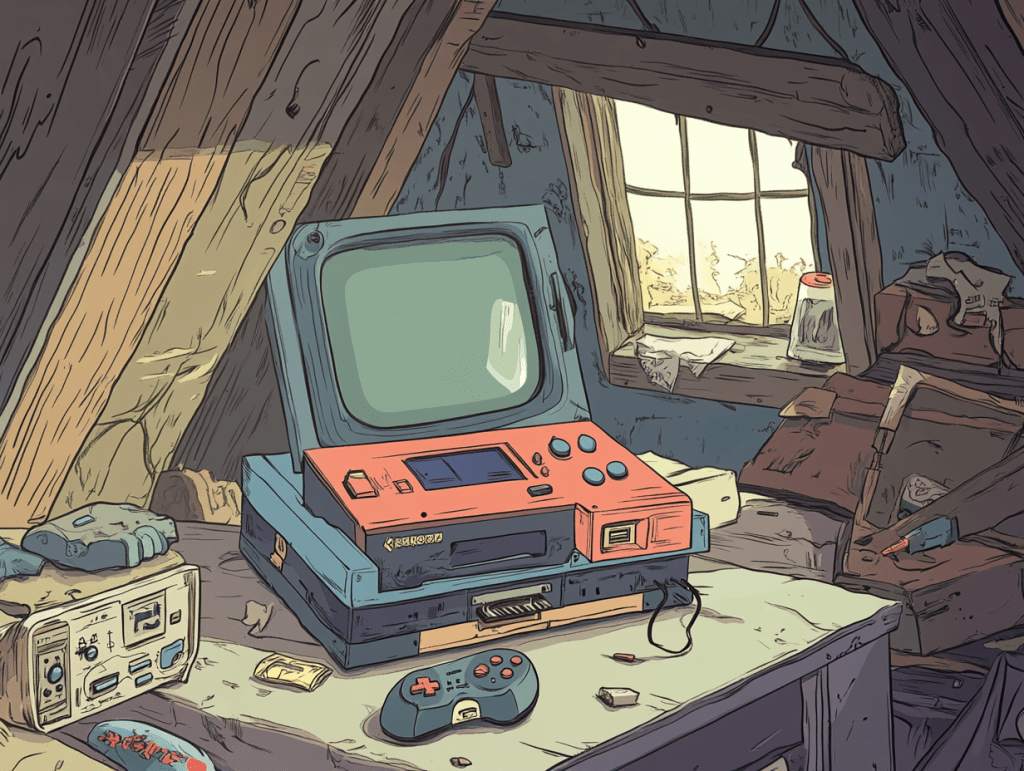
The gaming industry is filled with stories of innovation, success, and cultural milestones. However, for every PlayStation, Xbox, or Nintendo Switch that achieves massive popularity, there are numerous consoles that failed to leave a lasting impact. Some were ahead of their time, others suffered from poor marketing, and a few were simply doomed by bad business decisions. In this article, we’ll explore some of the lesser-known or failed gaming consoles, such as the Sega Saturn, Atari Jaguar, and Panasonic 3DO, and uncover the reasons behind their struggles.
1. The Sega Saturn: A Powerhouse That Never Took Off
Released in 1994 in Japan and 1995 in North America, the Sega Saturn was the follow-up to the successful Sega Genesis. Boasting impressive hardware for the time, the Saturn was designed to be a 2D powerhouse but struggled with 3D game development. While it saw significant success in Japan, it ultimately failed to compete against Sony’s PlayStation and Nintendo’s upcoming Nintendo 64.
Why It Failed:
- Complex Hardware: The Saturn’s dual-CPU architecture made it difficult for developers to optimize games efficiently.
- Poor Marketing Strategy: Sega of America rushed the console’s release, surprising retailers and developers, leading to a weak game library at launch.
- Competition from Sony: The PlayStation offered easier development tools and lower costs, attracting more third-party developers.
Despite its struggles, the Saturn had notable games like Nights into Dreams, Panzer Dragoon Saga, and Virtua Fighter 2, which remain cult classics today.
2. The Atari Jaguar: Ambition Without Execution
Atari, once a giant in the gaming industry, attempted a comeback with the Jaguar in 1993, branding it as the first 64-bit console. However, the system’s poor execution, weak game library, and lack of developer support led to its downfall.
Why It Failed:
- Confusing Architecture: The Jaguar’s multi-chip design was notoriously difficult to program for, deterring developers.
- Poor Library of Games: While Tempest 2000 and Alien vs. Predator were well-received, the rest of the Jaguar’s library lacked quality and variety.
- Marketing Missteps: Atari’s claim that the Jaguar was a 64-bit system was misleading, as most games didn’t showcase any graphical advantage over the competition.
Atari’s failure with the Jaguar marked its exit from the console market, leaving behind a system that is now more of a collector’s curiosity than a gaming legend.
3. The Panasonic 3DO: A Premium Console With No Audience
The Panasonic 3DO, launched in 1993, was one of the most technologically advanced consoles of its time. It featured a CD-based format, full-motion video capabilities, and a robust library of multimedia features. However, it failed to make a dent in the market.
Why It Failed:
- High Price Point: The 3DO launched at a staggering $699, pricing itself out of the mainstream market.
- Lack of Exclusive Titles: While Road Rash and Gex were solid games, the console lacked enough killer apps to justify its price.
- Third-Party Dependency: The 3DO Company licensed its technology to multiple manufacturers, resulting in inconsistent quality and brand confusion.
While the 3DO was an ambitious attempt to redefine gaming, its price and business model ultimately led to its demise.
4. The Philips CD-i: A Multimedia Experiment Gone Wrong
Released in 1991, the Philips CD-i was meant to be more than just a gaming console—it was a multimedia entertainment system. However, its gaming library is best remembered for its infamously bad Zelda and Mario titles.
Why It Failed:
- Weak Hardware: The CD-i struggled with slow load times and unimpressive visuals.
- Terrible Games: Games like Zelda: The Wand of Gamelon and Hotel Mario became infamous for their poor quality and laughable cutscenes.
- Unclear Audience Targeting: The CD-i was positioned as both a gaming and an educational device, failing to excel in either category.
Despite its failure, the CD-i remains a fascinating example of how multimedia ambitions don’t always translate to great gaming experiences.
5. The Ouya: A Promising Idea That Fizzled Out
In 2013, the Ouya burst onto the scene as a Kickstarter-funded Android-based gaming console. It promised to bring indie gaming to the living room at an affordable price, but reality didn’t match the hype.
Why It Failed:
- Weak Hardware: The Ouya’s specs were underwhelming even at launch, making it obsolete within a year.
- Lack of Killer Games: While it supported indie titles, it failed to attract major game developers or exclusives.
- Limited User Experience: The interface and controller design were clunky and unpolished, leading to a frustrating gaming experience.
Despite its failure, the Ouya played a role in pushing forward the conversation around indie gaming and alternative gaming platforms.
Conclusion: The Legacy of Forgotten Consoles
While these consoles failed to achieve mainstream success, they each contributed something to gaming history. Whether through ambitious hardware, unique software libraries, or bold business strategies, these platforms helped shape the industry’s evolution. Some of their ideas—like the 3DO’s CD format or the Ouya’s indie focus—have found new life in modern gaming.
As gaming continues to advance, it’s worth remembering that innovation doesn’t always guarantee success. However, these forgotten consoles serve as important stepping stones, reminding us that sometimes, even failures can leave a lasting impact.
— Anca Inari







 Neon Aurora
Leave a comment