The gaming industry, long dominated by major studios with sprawling budgets and teams, has witnessed a remarkable shift in recent years. Independent developers, often working with minimal resources but boundless creativity, have carved out their space, redefining what games can be. Welcome to the indie renaissance, where small teams are challenging conventions, telling unique stories, and pushing technological boundaries.
What Defines an Indie Game?
Indie games, short for independent games, are developed by small teams or individuals without the backing of major publishers. These games often embrace creative risks, exploring niche genres, experimental mechanics, and unique art styles that may not align with mainstream trends.
Characteristics of Indie Games:
- Creative Freedom: Developers often prioritize passion over profit, resulting in innovative designs.
- Small Budgets: With limited funding, indie studios rely on ingenuity to deliver impactful experiences.
- Direct Engagement: Many indie developers build strong connections with their communities, incorporating feedback into their games.

The Technology Driving the Indie Revolution
Technological advancements have played a crucial role in empowering indie developers. Here’s how:
Game Engines:
Game engines are fundamental to modern game development, offering powerful tools that make it possible for small teams to create professional-quality games.
- Graphics Rendering: Engines like Unity and Unreal handle the creation of stunning 2D and 3D visuals.
- Physics Simulation: They simulate realistic interactions, such as collisions and gravity.
- Scripting and Logic: Allow developers to implement game mechanics, AI behaviors, and player interactions.
- Cross-Platform Deployment: Simplify adapting games for multiple platforms like PC, consoles, and mobile.
Examples of widely used engines include:
- Unity and Unreal Engine: User-friendly engines with accessible pricing models allow small teams to create high-quality games.
- Godot Engine: A free, open-source alternative gaining popularity for its versatility.
Digital Distribution:
Digital distribution has revolutionized the way games are shared, purchased, and played. This model allows indie developers to bypass traditional barriers, such as physical production and retail placement, making it easier to reach players worldwide.
- What is Digital Distribution? Digital distribution involves delivering video games via the internet, enabling players to download and install titles directly onto their devices. This eliminates the need for physical copies, streamlining the distribution process.
- Key Channels for Digital Distribution:
- Platforms like Steam and Itch.io: Offer indie developers global reach without the need for physical distribution.
- Console Support: Programs like Nintendo’s Indie World and PlayStation’s Indie Spotlight showcase indie titles alongside AAA games.
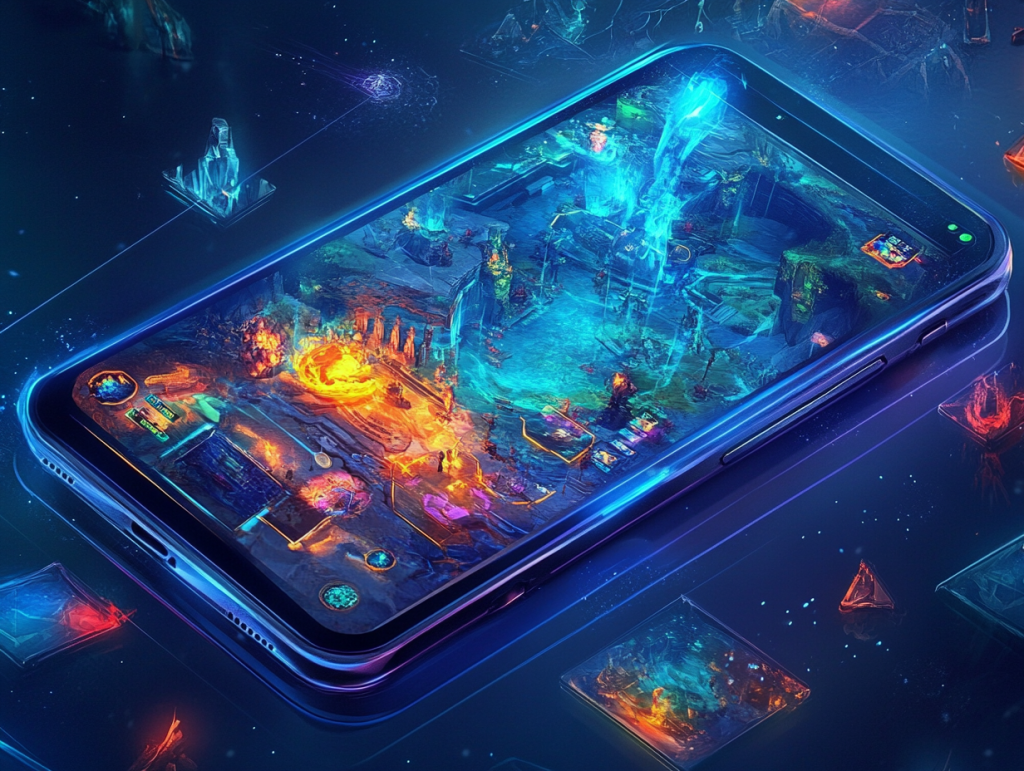
- Mobile App Stores: Google Play and Apple’s App Store provide opportunities for indie mobile games to reach vast audiences.
- Why Digital Distribution Matters:
- Accessibility: Games are available to players worldwide with just a few clicks.
- Cost Efficiency: Eliminates the need for expensive physical production.
- Exposure: Online platforms often feature recommendations, reviews, and user ratings that help smaller titles stand out.
New Funding Mechanisms and Social Media:
The rise of crowdfunding and social media platforms has revolutionized how indie games are marketed and funded.
- Crowdfunding Platforms:
- Kickstarter: Allows developers to present their game ideas to potential backers, often securing enough funds to complete development.
- Patreon: Provides a steady income stream by offering exclusive content to supporters.
- Social Media Impact:
- Platforms like Twitter, Reddit, and Discord enable developers to build and engage with communities. These channels allow for direct interaction with fans, fostering loyalty and excitement.
- Viral marketing campaigns or trending hashtags can catapult an indie game into the public eye.
- Why This Matters:
- Cost-Effective Marketing: Social media offers free or low-cost promotional opportunities.
- Commoditized Expertise: The availability of marketing templates, analytics tools, and tutorials has made it easier for small teams to learn and apply effective strategies.
- Global Reach: Developers can showcase their games to international audiences, breaking down geographical barriers.
Notable Indie Games and Their Impact
The indie scene has produced some of the most iconic and beloved titles in gaming history. Let’s explore a few that have left a significant mark:
1. Minecraft (2009)
- Developer: Mojang (Markus Persson)
- Impact: What began as a small indie project became a global phenomenon, demonstrating that sandbox creativity could appeal to millions.
- Technological Highlight: Procedural generation allows for infinite, unique worlds.
2. Undertale (2015)
- Developer: Toby Fox
- Impact: Revolutionized storytelling by giving players moral choices with meaningful consequences.
- Technological Highlight: Retro-style graphics paired with innovative gameplay mechanics.
3. Celeste (2018)
- Developer: Maddy Makes Games
- Impact: A heartfelt narrative combined with tight platforming mechanics, earning critical acclaim.
- Technological Highlight: Seamless level design that encourages skillful play while remaining accessible.
4. Hollow Knight (2017)
- Developer: Team Cherry
- Impact: Showcased how a small team could deliver a deep, atmospheric experience rivaling AAA titles.
- Technological Highlight: Stunning hand-drawn visuals paired with challenging, polished gameplay.
5. Hades (2020)
- Developer: Supergiant Games
- Impact: Blended roguelike mechanics with rich storytelling, redefining the genre.
- Technological Highlight: Dynamic dialogue systems keep each run fresh and engaging.
How Indie Games Are Changing the Industry
Breaking Genre Barriers:
Indie developers are often at the forefront of genre experimentation. Games like Papers, Please and Outer Wilds prove that unique mechanics can lead to critical and commercial success.
Promoting Inclusivity:
Many indie games tackle themes of identity, mental health, and diversity. Titles like Night in the Woods and Spiritfarer provide emotional depth rarely explored in mainstream games.
Setting New Standards:
Indie games often pioneer features later adopted by AAA studios, such as procedural storytelling and minimalist design.
The Challenges Faced by Indie Developers
While the indie scene is thriving, it’s not without its hurdles:
- Funding Limitations: Developers often struggle to secure enough funding to complete their projects.
- Oversaturation: With thousands of games released each year, standing out is a constant challenge.
- Burnout: Small teams juggling multiple roles can face significant stress.
The Future of Indie Gaming
The future of indie gaming looks brighter than ever. With emerging technologies like AI-assisted development, cloud gaming, and blockchain, indie studios have more tools to bring their visions to life. Additionally, partnerships between indie devs and larger platforms ensure continued visibility for these creative gems.
Key Takeaways
- Indie games thrive on creative freedom, delivering unique experiences that challenge industry norms.
- Game engines play a pivotal role in empowering developers, streamlining complex tasks like rendering, physics simulation, and cross-platform support.
- Digital distribution channels have revolutionized the way indie games reach players, providing unparalleled access and visibility.
- Crowdfunding and social media have democratized marketing, allowing small teams to fund and promote their games effectively.
- Iconic titles like Minecraft and Hades demonstrate the potential of small teams to create global phenomena.
- While challenges persist, the future of indie gaming remains promising, fueled by passion and innovation.
As we continue exploring the indie renaissance, one thing is clear: these small teams are shaping the future of gaming, proving that big ideas don’t require big budgets.
What’s your favorite indie game? Let’s chat in the comments—your recommendations might inspire my next playthrough!
— Anca Inari


 Neon Aurora
Leave a comment