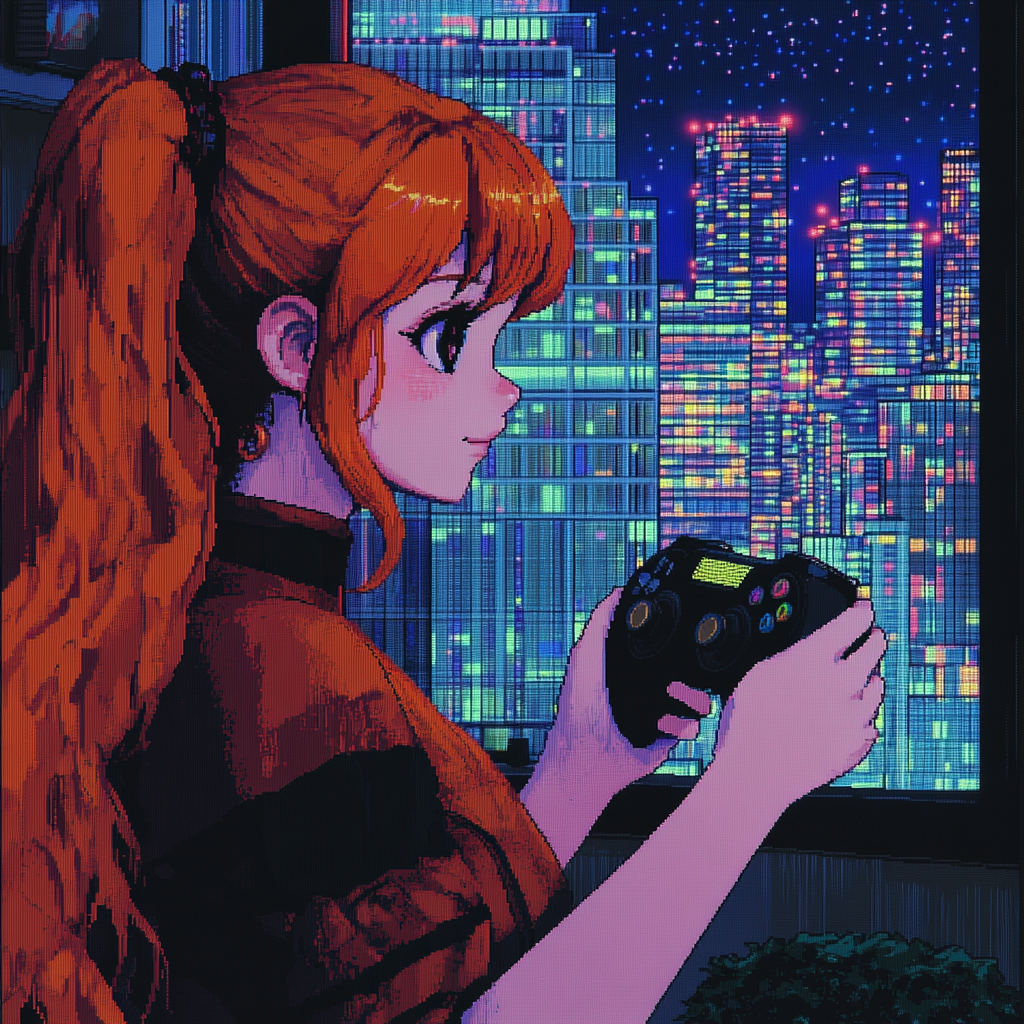
Video games are not just a pastime; they are an evolving art form, combining storytelling, visual artistry, music, and gameplay to create immersive experiences. As a young writer passionate about gaming, I’ve chosen ten iconic games that have shaped the industry and left a lasting legacy. Let’s explore what makes these masterpieces significant and how different art forms contribute to their brilliance.
1. Super Mario Bros. (1985)
Why it’s significant:
This classic Nintendo game set the standard for platformers and introduced Mario, an iconic character. It demonstrated how a simple gameplay loop could be both engaging and addictive.
Artistic contributions:
- Pixel art: Bright, colorful visuals designed within hardware limitations.
- Level design: Intuitive, teaching players mechanics through gameplay.
- Music: Koji Kondo’s memorable 8-bit score is timeless.
2. The Legend of Zelda: Ocarina of Time (1998)
Why it’s significant:
Ocarina of Time revolutionized 3D gaming with its lock-on targeting system and open-world exploration. It paved the way for modern action-adventure games.
Artistic contributions:
- 3D animation: Groundbreaking visuals for its time.
- Sound design: Realistic soundscapes and iconic melodies.
- Narrative: A timeless hero’s journey with rich lore.
3. Tetris (1984)
Why it’s significant:
This puzzle game’s simple yet addictive mechanics made it a universal hit, proving that gameplay could transcend graphics or complex storytelling.
Artistic contributions:
- Minimalist design: Simplicity that emphasizes gameplay.
- Cultural impact: Inspired countless adaptations and variations.
4. Final Fantasy VII (1997)
Why it’s significant:
This RPG brought cinematic storytelling to gaming, introducing emotional depth and relatable characters to a global audience.
Artistic contributions:
- CGI cutscenes: Stunning for its era.
- Character design: Memorable characters like Cloud and Sephiroth.
- Musical score: Nobuo Uematsu’s compositions evoke powerful emotions.
5. Doom (1993)
Why it’s significant:
Doom popularized first-person shooters, introducing fast-paced combat and multiplayer gaming.
Artistic contributions:
- Level architecture: Complex and atmospheric.
- Soundtrack: Heavy-metal-inspired MIDI tracks.
- Visuals: Gritty textures and iconic monster designs.
6. Minecraft (2011)
Why it’s significant:
Minecraft redefined creativity in gaming, giving players tools to build and explore limitless worlds.
Artistic contributions:
- Blocky aesthetic: A unique visual style that’s now iconic.
- Procedural generation: Dynamic landscapes that feel alive.
- Player-driven storytelling: No scripted plot; creativity reigns.
7. The Elder Scrolls V: Skyrim (2011)
Why it’s significant:
Skyrim set new standards for open-world games with its vast map, rich lore, and player freedom.
Artistic contributions:
- Environmental design: Immersive and lifelike landscapes.
- Music: Jeremy Soule’s epic orchestral soundtrack.
- Voice acting: Diverse NPC interactions enhance immersion.
8. Grand Theft Auto V (2013)
Why it’s significant:
This game showcased the potential of interactive storytelling in an open world, blending humor, action, and drama seamlessly.
Artistic contributions:
- Character writing: Realistic and flawed protagonists.
- Worldbuilding: A satirical take on modern society.
- Soundtrack: Licensed music sets the tone for every scenario.
9. The Last of Us (2013)
Why it’s significant:
A masterclass in narrative-driven gaming, The Last of Us explored mature themes and showcased the power of storytelling.
Artistic contributions:
- Motion capture: Realistic performances by actors.
- Cinematic storytelling: Film-quality direction and pacing.
- Music: Gustavo Santaolalla’s haunting score.
10. The Legend of Zelda: Breath of the Wild (2017)
Why it’s significant:
Breath of the Wild redefined open-world games, emphasizing exploration, physics-based puzzles, and player agency.
Artistic contributions:
- Visual style: A mix of realism and cel-shaded art.
- Soundtrack: Adaptive music that enhances the atmosphere.
- Game mechanics: Interconnected systems that encourage experimentation.
Conclusion
These ten games represent the diversity and evolution of video games as an art form. Each title demonstrates how elements like visuals, music, storytelling, and design come together to create something unforgettable. As I embark on my blogging journey, I hope to share more stories like these and celebrate the artistry behind gaming. What are your all-time favorite games? Let me know in the comments below!
Thank You for Joining Me on This Journey!
Wow, we made it to the end of my very first blog post! 🎉 Writing about the top 10 most influential games has been such a meaningful way to kick off this adventure, and I’m beyond excited to share this milestone with you. Whether you’re a fellow gaming enthusiast, a curious reader, or someone who stumbled upon this blog by chance, thank you for being here. Your first read means the world to me!
This is just the beginning of what I hope will be an incredible journey of exploring gaming history, trends, and culture together. Starting this blog has been a dream come true, and I can’t wait to keep growing, learning, and leveling up with every post.
If you enjoyed this read, don’t forget to share your thoughts in the comments—I’d love to hear about your favorite games or the ones you think have shaped gaming history. Let’s keep the conversation going!
Here’s to new beginnings, endless stories, and the start of something amazing. Until next time, keep gaming, keep dreaming, and always stay curious. 💖
With gratitude and excitement,
Anca Inari
Reflecting on gaming’s future, one post at a time. 🎮✨



 Neon Aurora
Leave a comment